



google.com, pub-3595943663920267, DIRECT, f08c47fec0942fa0 /* ACHLAB uniform image ratios */ .ach-media{ --ratio:56.25%; /* default 16:9 */ position:relative; width:100%; border-radius:8px; overflow:hidden; } .ach-media::before{content:"";display:block;padding-top:var(--ratio);} /* ratio box */ .ach-media > img{ position:absolute; inset:0; width:100%; height:100%; object-fit:cover; /* fills box; crops evenly */ object-position:center; } /* Quick ratio presets */ .ach-ar-16x9{ --ratio:56.25%; } /* 16:9 */ .ach-ar-4x5{ --ratio:125%; } /* 4:5 vertical */ .ach-ar-1x1{ --ratio:100%; } /* square */ .ach-ar-9x16{ --ratio:177.78%;} /* story/tall */ /* Horizontal scroll strip */ .ach-scroll-x{ display:flex; gap:12px; overflow-x:auto; scroll-snap-type:x mandatory; padding:6px 2px; } .ach-scroll-x .ach-media{ flex:0 0 auto; width:min(80vw, 420px); /* card width */ scroll-snap-align:center; } /* Vertical stack (uniform cards) */ .ach-stack{ display:grid; gap:16px; } /* Optional: show entire image without crop */ .ach-fit-contain > img{ object-fit:contain; background:#f5f5f5; }

building science

Masonry Wall Reinforcement: Essential Techniques for Resilient Construction

Masonry Wall Reinforcement: Essential Techniques for Resilient Construction

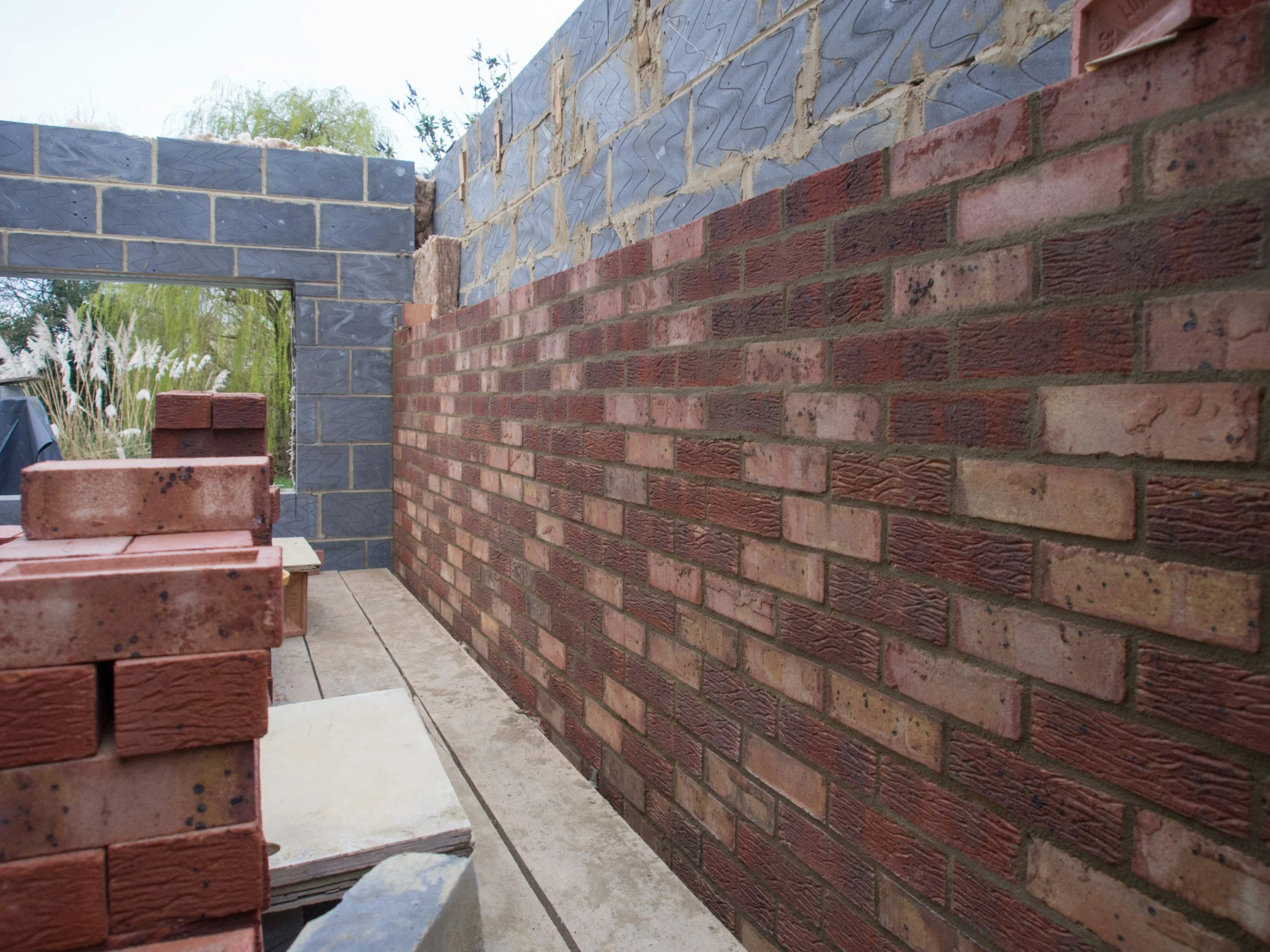
Masonry wall reinforcement is a critical design strategy that transforms compression-only masonry into a composite system capable of resisting tensile stresses caused by thermal movement, shrinkage, and lateral forces. By integrating horizontal joint reinforcement—such as truss or ladder systems—with vertical steel reinforcement, such as rebar and bond beams, builders can ensure structural continuity and limit cracking. Key best practices include maintaining a 6-inch lap for continuity, avoiding bridging control joints to prevent restraint, and ensuring full mortar coverage to prevent oxidation. Ultimately, selecting the appropriate material, such as stainless steel for harsh environments, is essential for maximizing a structure's lifespan and structural integrity