
Introduction
I’m excited for this next series of blogs, where we break down different types of construction details. This series is intended for education and discussion only. Please note that it is not meant to be copied and pasted directly into real construction documents. Now that the disclaimer is out of the way, let’s dig into the stone veneer at the horizontal joint detail.
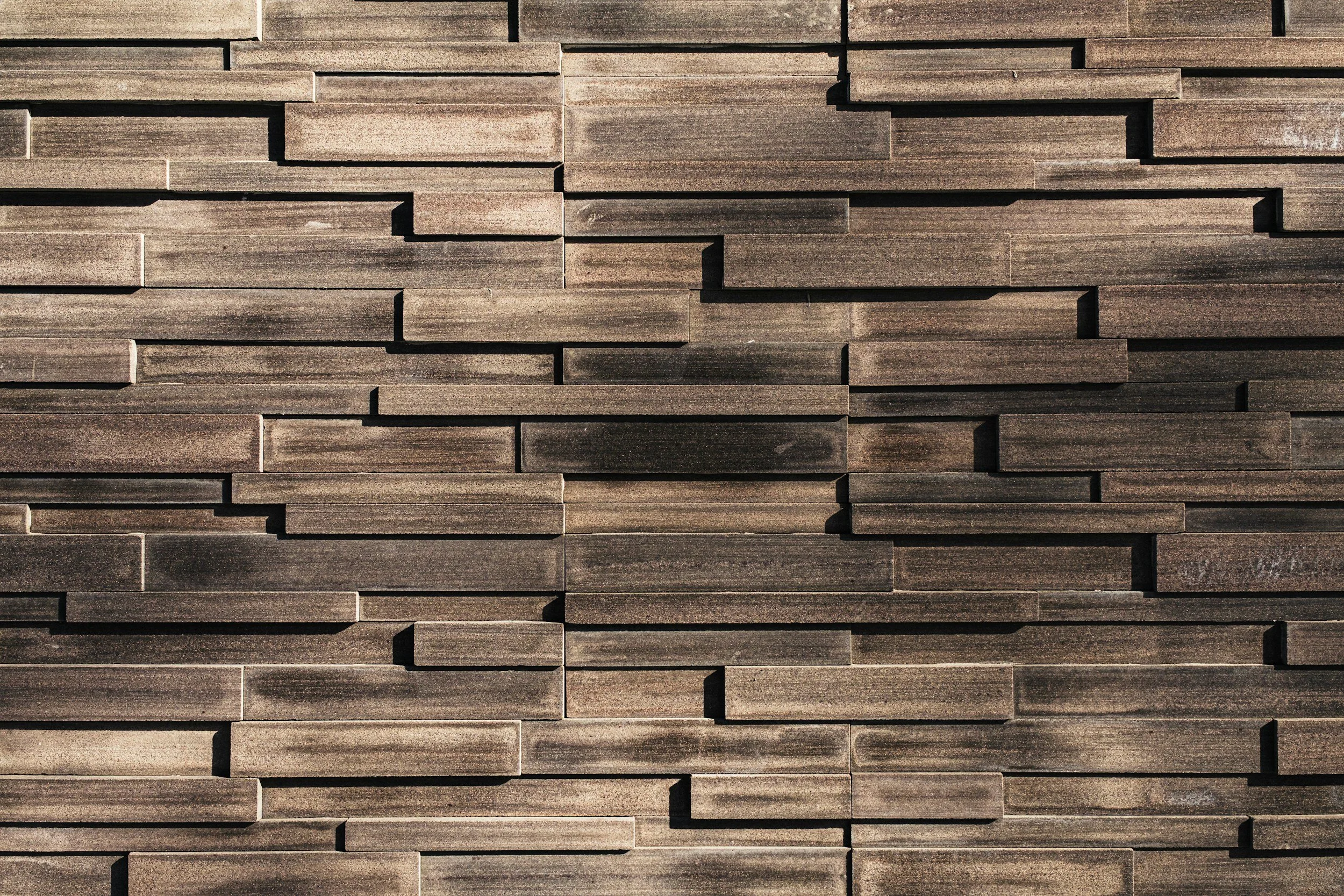
Stone veneer can be achieved with materials such as limestone, marble, slate, and other natural stone finishes. The beauty of this detail is that we are not using full-size stone to achieve the final look. Veneer is typically the stone's exposed face and can range in thickness from about 1 inch to 6 inches or more. In this post, we are focusing on the transition between panels of a limestone façade.
The horizontal joint is a critical component because it must respond differently to compression and tension forces. From custom homes to multifamily projects, it is important to understand the concerns behind this detail and how each component contributes to the overall wall assembly.
The Power of the Steel Angle
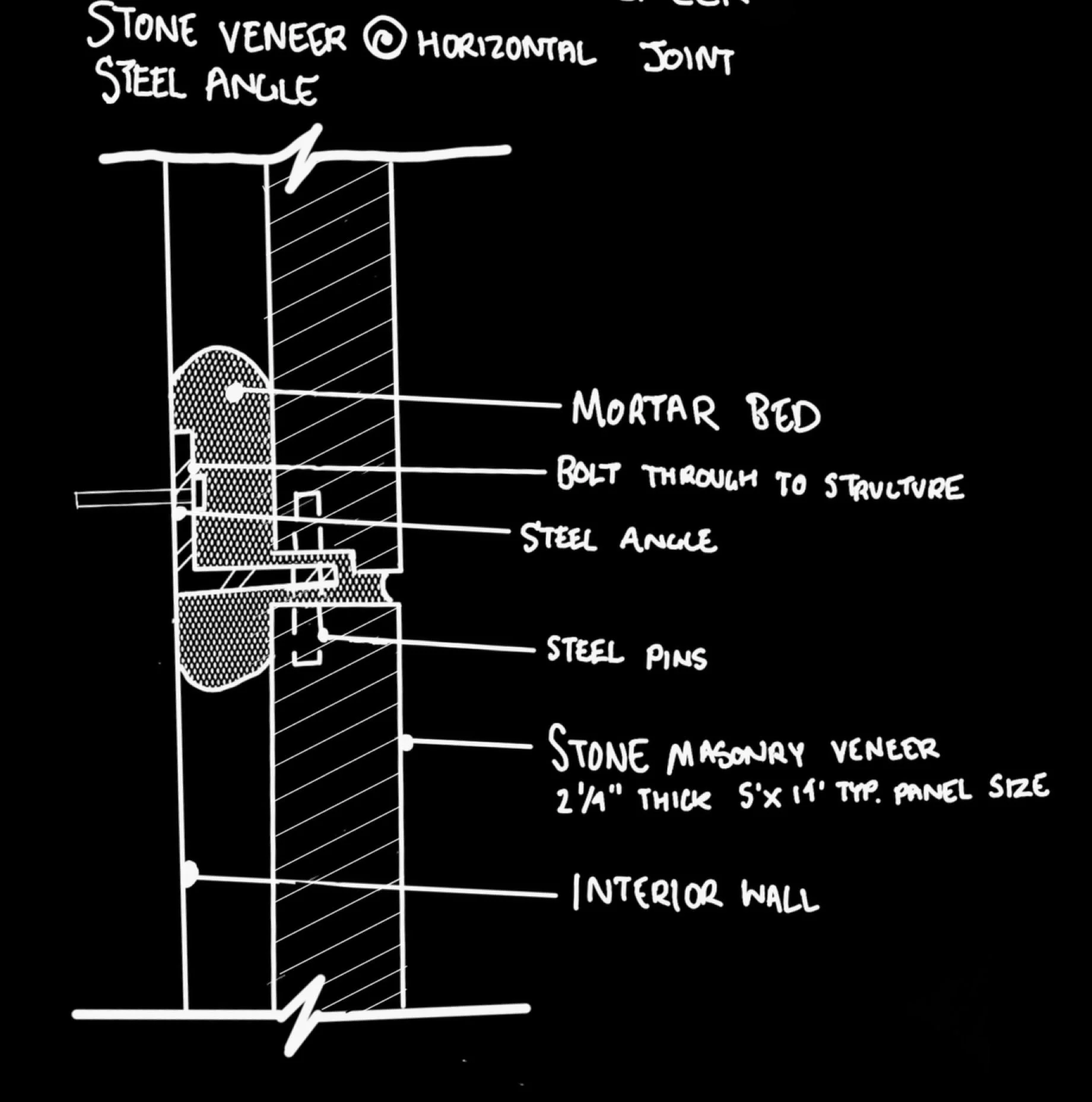
When dealing with stone masonry veneer, specifically panels around 2 ¼ inches thick, we cannot rely solely on adhesives or traditional mortar techniques. A robust structural support system is required, and that is where the steel angle system comes in, often referred to as a shelf angle or relieving angle.
The purpose of the steel angle is to act as a vertical load-bearing support element. It carries the weight of the veneer and transfers that load back to the building’s primary structural system.
Why This Detail Matters
1. Load Bearing
The steel angle acts as a shelf, transferring the weight of the stone panels back into the building’s primary structure. This takes the load off the mortar and helps ensure the veneer remains plumb and true over time.
2. Precision Alignment
Using steel pins within the joint, as shown, allows for precise alignment of the stone panels. This is crucial for achieving the clean, minimalist aesthetic that defines high-quality architectural work.
3. Durability
By incorporating a mortar bed around the steel elements, you provide protection against moisture and environmental degradation, effectively locking the assembly in place.
Why This Matters for Your Next Project
For those of us moving into new construction, understanding these assemblies in the build phase is paramount. When you are both the designer and the developer, you are not just designing for beauty on;y but also you are designing for the legacy of a well-built home.
A properly detailed wall system can reduce future maintenance costs, improve construction installation efficiency, and enhance the long-term value of the real estate asset. For additional resource check this blog post written by Swenson Granite – “How to Install Thin Veneer from Indiana Limestone”
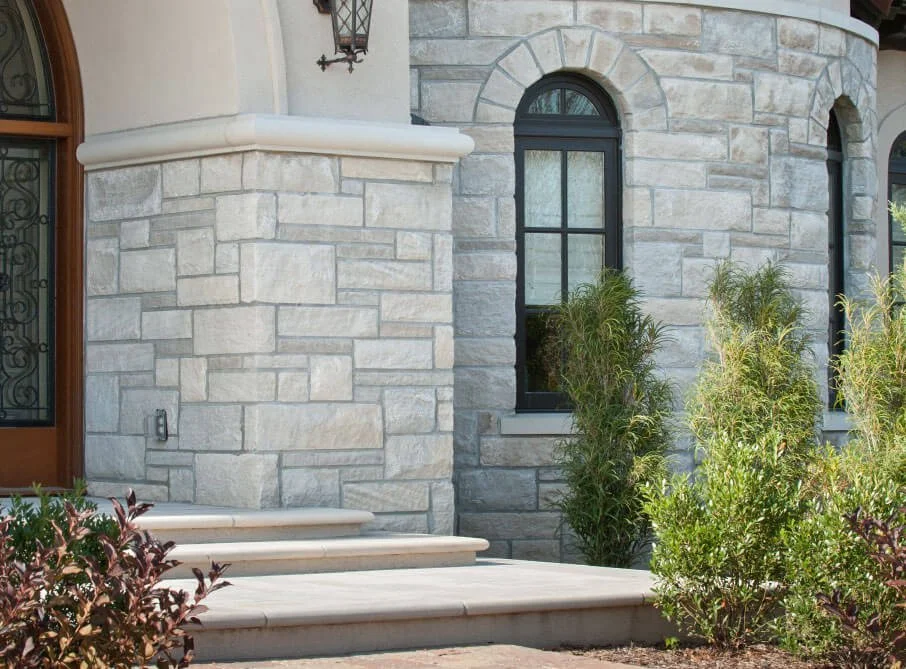
Photo credit: Swenson Granite – “How to Install Thin Veneer from Indiana Limestone”
Conclusion: Bringing It Back to the Basics
We often get caught up in high-level software, standard details, or boilerplate solutions, and it easy to gloss over the purpose behind each assembly. But whether it’s a stone veneer panel or traditional siding, the mechanics of how materials meet are where your expertise is truly tested.
As I continue working on upcoming projects, I’m reminded that the true beauty behind the wall lies in the details and the possibilities they create. Not only does this make Achlab, LLC more efficient, but it also lays the foundation for more resilient housing.
About The Author

